Top Tips for Buying a Used Car in Melton
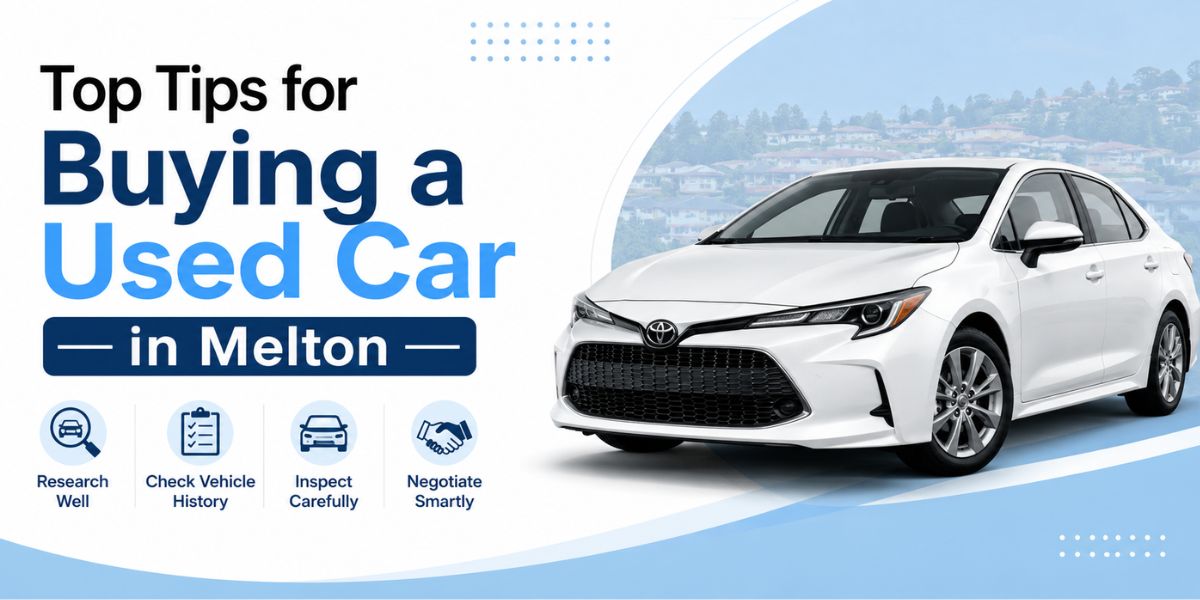

Buying a used car can be a smart choice for drivers who want reliable transport without paying the price of a brand-new vehicle. However, choosing the right car requires time, careful checking and a clear budget. Whether you need a car for work, family trips or everyday driving, making the right decision can save you money and stress.
The used car market offers many options, but not every vehicle will suit your needs. I always recommend starting with your budget and deciding what type of car will work best for your lifestyle. We should also consider running costs, fuel use, servicing history, safety features and the vehicle’s overall condition. If you are planning to buy a vehicle locally, this guide provides practical tips to help you make a sensible choice and avoid common mistakes.
The first step is to decide how much you can comfortably spend. Your budget should include more than the purchase price. Registration, insurance, fuel, servicing, tyres and possible repairs can all add to the ongoing cost of owning a car.
For example, a cheaper vehicle may appear attractive at first, but it could cost more over time if it needs frequent repairs. In comparison to the purchase price alone, the total cost of ownership gives you a better idea of whether a car is affordable.
It is also a good idea to keep some money aside for unexpected expenses. Even a well-maintained used vehicle may require new tyres, a battery or routine servicing.
Before visiting a dealership, think about how you will use the vehicle. A small hatchback may be suitable for city driving, while a larger SUV could be better for families.
Similarly, someone who regularly travels long distances may prefer a fuel-efficient vehicle. Families may need extra boot space, while a person who mainly drives to work may want a smaller and easier-to-park car.
Think about the number of passengers, driving distance, parking conditions and expected fuel use. Specifically, choosing a vehicle based on your actual needs can help prevent an expensive mistake.
Once you have chosen a few suitable models, research their typical market prices, common problems, fuel economy and servicing requirements.
This can help you identify whether a listed vehicle appears reasonably priced. Likewise, researching different models gives you a stronger position when speaking with a seller.
Do not rely only on the appearance of a vehicle. A clean exterior does not always mean the mechanical condition is good. Look at the service history, kilometres, ownership information and any available vehicle history reports.
A service history is one of the most useful records when buying a used car. It can show whether the vehicle has received regular maintenance and whether important services have been carried out.
Ask to see service records, invoices and other relevant documents. If the seller says the car has been regularly serviced but cannot provide supporting records, ask questions before making a decision.
Of course, missing paperwork does not automatically mean a vehicle is unsuitable. However, it means you should carry out additional checks before buying.
Always inspect the vehicle during daylight where possible. Look at the body panels, paint, windows, lights, tyres and interior.
Check for signs of accident damage, uneven paint, dents or gaps between body panels. Inside the car, inspect the seats, dashboard, air conditioning, windows, entertainment system and other controls.
The tyres also deserve attention. Uneven tyre wear can sometimes indicate alignment or suspension problems. Although replacing tyres is a normal ownership expense, several worn tyres can add a significant amount to your immediate costs.
A test drive is essential before purchasing any used vehicle. It allows you to see how the car feels on the road and whether there are any unusual noises or driving issues.
During the test drive, check the brakes, steering, acceleration, gearbox and suspension. Pay attention to vibrations, warning lights and unusual sounds.
Try driving on different road surfaces if possible. A vehicle may feel fine on a smooth road but show suspension or steering problems on rougher streets.
They should also check that the car is comfortable and suitable for their daily driving needs. A vehicle may be mechanically sound but still not be the right choice if the seating position, visibility or storage space does not work for you.
Never feel pressured to buy the first vehicle you see. Compare several similar cars before making your final decision.
If you are searching for used cars melton, you may find vehicles in different price ranges, conditions and specifications. Comparing these options can help you identify a vehicle that offers a good balance between price, condition and features.
In the same way, people searching for second cars in Melton should compare kilometres, service history, age and equipment rather than focusing only on the advertised price.
Price comparison is particularly important when two similar vehicles have noticeably different prices. Ask why one costs more. It may have lower kilometres, better service records, newer tyres or additional safety equipment.
The purchase price is only one part of the cost of owning a vehicle. Fuel economy can make a noticeable difference, especially for drivers who travel many kilometres each week.
A vehicle with a slightly higher purchase price may sometimes be cheaper to operate if it uses less fuel and has reasonable servicing costs.
Hybrid vehicles can be worth considering for drivers who want lower fuel consumption. If you are looking at Hybrid Cars for Sale, compare the vehicle’s age, battery condition, servicing records and overall condition.
Even though hybrid vehicles can offer good fuel efficiency, buyers should still check the complete vehicle rather than making a decision based only on fuel savings.
Safety should always be a major consideration when buying a used car. Check the vehicle’s safety rating and available safety equipment.
Depending on the model and year, features may include airbags, electronic stability control, reversing cameras, parking sensors, autonomous emergency braking and lane assistance.
Specifically, families should pay close attention to child-seat compatibility and rear-seat space. A vehicle that looks suitable from the outside may not provide enough room for children’s seats, luggage and other family items.
If you are not confident checking mechanical components yourself, consider arranging an independent pre-purchase inspection.
A qualified mechanic can check areas that may not be obvious during a normal test drive. This can include the engine, transmission, suspension, brakes, steering and signs of previous repairs.
This step can be especially useful when buying an older vehicle or one with high kilometres. The inspection cost may seem like an extra expense, but it can help identify problems before you commit to the purchase.
Do not be afraid to ask the seller questions. Ask about the vehicle’s history, servicing, previous use, number of owners and reason for sale.
If you are dealing with Deol Car Sales, you can also ask about the available vehicles, their condition and the documents provided with each car. A professional seller should be willing to answer reasonable questions and provide relevant information.
Clearly, asking questions is much easier before payment than after you have purchased the vehicle.
Before completing a purchase, check the vehicle identification details and relevant paperwork. Make sure the details on the documents match the vehicle you are inspecting.
You should also check registration information and any available vehicle history information. In Australia, buyers should take reasonable steps to ensure the vehicle is not subject to financial or other ownership issues.
If something does not match or you are unsure about a document, stop and ask questions before proceeding.
Buying a car is a significant financial decision. You should have enough time to inspect the vehicle, compare alternatives and consider the costs.
Admittedly, a good vehicle may attract other buyers. Still, pressure should not force you to ignore warning signs.
If something feels unclear, ask for more information. If the seller cannot answer important questions, consider another vehicle.
The best used car for you is not necessarily the cheapest one. It should offer suitable features, acceptable running costs, good condition and a price that fits your budget.
Your needs may change after you purchase the vehicle. Think about how long you expect to keep it and whether your driving requirements could change.
For example, someone planning to start a family may eventually need more passenger and boot space. Similarly, a driver who expects to travel more for work may benefit from a fuel-efficient and comfortable vehicle. Planning can help you choose a car that remains useful for several years instead of needing to replace it quickly.
People searching for the best used car sales in Melton should compare dealerships, vehicle choices, pricing, service information and customer support.
We recommend taking your time and focusing on the condition and suitability of each vehicle. In particular, look for sellers who provide clear vehicle information and are willing to answer your questions.
If your goal is to buy used cars, make a shortlist of suitable models and compare them carefully. This approach can make the buying process more organised and reduce the chance of choosing a vehicle based only on appearance.
Buying a used car in Melton can be a practical option when you take the time to research, inspect and compare your choices. A sensible budget, service history, test drive, vehicle inspection and document check can all help you make a confident decision.
I believe the best approach is to focus on value, reliability and suitability rather than simply choosing the lowest price. We should always consider how the vehicle will fit into our everyday lives and future plans. With careful research and a sensible buying process, you can choose a used vehicle that provides dependable transport and good value for your money.